$4 Trillion Apple Lifts iOS Restrictions Banning In-App Bitcoin and Crypto Payments
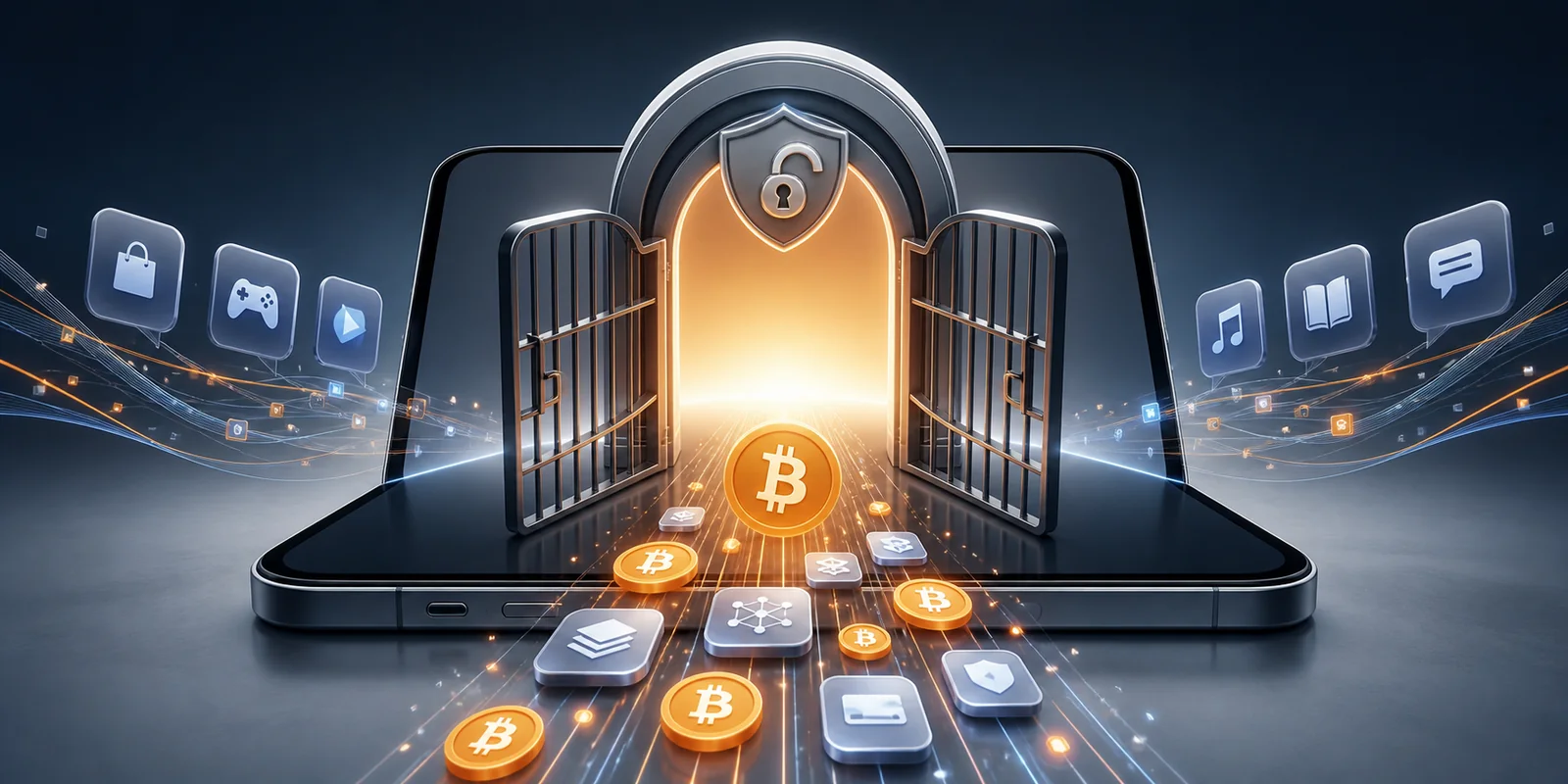
Apple has removed the App Store guideline that barred apps from accepting bitcoin and crypto payments directly, ending a restriction that had pushed crypto-native apps to route around Apple's platform for years.
BY PRIYA RAMAN4 MIN READ
What changed
Apple has lifted the App Store restriction that blocked apps from processing bitcoin and crypto payments outside of Apple's own in-app purchase system. Under the previous guideline, any digital good or service sold within an app had to go through Apple's payment rails — carrying a commission of up to 30% — and crypto payments that bypassed that system were treated as a violation, regardless of what was being purchased. That restriction is now gone.
Why it took this long
Apple's in-app purchase requirement has been a persistent friction point for crypto apps on iOS. Exchanges and wallet apps have long had to disable in-app buying features for iOS users, direct them to a mobile browser, or avoid describing bitcoin purchases as taking place "in-app" at all, to stay within Apple's guidelines. The change follows years of regulatory pressure on Apple's App Store commission structure, including antitrust scrutiny in the US and EU that has already forced Apple to allow alternative payment methods for some categories of apps.
What it opens up
The immediate effect is on apps that sell digital goods or services and want to accept bitcoin directly, without funneling that payment through Apple's system first. That could mean exchanges enabling in-app crypto purchases again, or newer apps built around on-chain payments — tipping, subscriptions, or Lightning Network micropayments — without redirecting users off-platform. It does not change Apple's separate rules for physical goods and services, which have generally allowed outside payment methods already.
WHY IT MATTERS
iOS has around 1.4 billion active devices worldwide, and Apple's in-app purchase rule has shaped how every crypto app on the platform could interact with users for over a decade. Removing it doesn't force any app to change, but it removes a real technical and legal obstacle for apps that wanted to accept bitcoin directly and couldn't.
What to watch next
1.Whether major exchange apps re-enable in-app bitcoin purchases on iOS in the coming weeks.
2.Whether Apple publishes updated App Store Review Guidelines language spelling out the new rules in detail.
3.Whether Google mirrors the change in Play Store policy, or whether iOS becomes the more permissive platform for the first time.
Frequently asked questions
What did Apple change about crypto payments on iOS?
Apple removed its App Store guideline that blocked apps from processing bitcoin and crypto payments for goods and services directly, outside Apple's in-app purchase system. Apps can now accept on-chain bitcoin payments without routing them through Apple's payment rails.
Why did Apple previously ban in-app crypto payments?
Apple's App Store guidelines required digital goods and services sold within an app to go through Apple's in-app purchase system, which carries a commission of up to 30%. Crypto payments that bypassed this system were treated as a violation, regardless of what was being purchased.
Does this mean any app can now accept bitcoin?
It means apps are no longer blocked at the App Store guideline level for accepting direct crypto payments. Individual apps still need to build the payment integration, and Apple's rules on physical goods versus digital goods and services still apply.
SOURCES & DATA
Apple — App Store Review Guidelines ↗
The Verge — Apple lifts restrictions on in-app crypto payments ↗
Education, not financial advice. See our editorial process and corrections policy.
TERMS IN THIS STORY
Priya Raman
Bitcoin Almanack's editorial byline for payments, consumer products, merchant adoption, and Bitcoin on-ramps.
Sources, standards & corrections
Sources are linked inline. Read our editorial information, AI disclosure and corrections policy, or report an error.
Sources are linked inline. Read our editorial information, AI disclosure and corrections policy, or report an error.